Ecommerce Development

Online stores built to sell — on Shopify or WooCommerce

Whether you're launching your first product or scaling to thousands of SKUs, I build ecommerce websites that handle the complexity so your customers see simplicity. Custom store design, product catalog setup, payment integration, and performance optimization — all in one package.

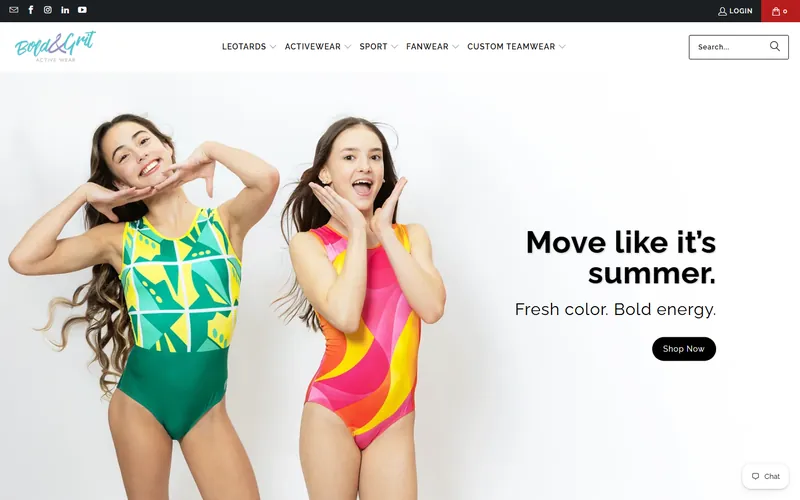
Bold&Grit ecommerce store built by JagpWeb

The Approach

A store is a system, not a website with a cart

Most online stores don't fail because the design was wrong. They fail on the unglamorous details: variants that don't match what's in the warehouse, shipping rates that surprise people at checkout, product pages that answer none of the questions a buyer has before paying, and a homepage that takes six seconds to load on the phone where 60% of the traffic comes from.

So I treat an ecommerce project as a system with four moving parts — catalog, checkout, fulfilment and search visibility — and get each one right before worrying about decoration. The design work matters, but it comes after the mechanics are sound.

I build on Shopify and WooCommerce. Between them they cover almost every case: Shopify when you want the platform to handle hosting, security and payments so you can focus on selling; WooCommerce when you already run WordPress, need full ownership of the data, or have requirements that a hosted platform won't bend to.

What's Included

From platform choice to first order

  • 01

    Platform Selection & Strategy

    An honest recommendation between Shopify and WooCommerce based on your catalog size, budget, team and growth plans — not on which one I'd rather build.

  • 02

    Custom Store Design

    A homepage that says what you sell in the first screen, collection pages that make browsing easy, product pages built to close the sale, and a checkout with nothing in the way.

  • 03

    Product Catalog & Inventory

    Bulk import of your full catalog with variants, options and collections configured properly, plus inventory tracking so you never sell what you don't have.

  • 04

    Payment & Checkout

    Stripe, PayPal, Shopify Payments or local gateways, with tax rules and multi-currency where you need it — all tested with real transactions before launch.

  • 05

    Shipping & Fulfilment

    Shipping zones and rates, free shipping thresholds, local pickup and carrier integration, configured so the price at checkout matches what shipping actually costs you.

  • 06

    Ecommerce SEO

    Product structured data, clean URLs, descriptive alt text, and internal linking between collections and products so category pages can rank instead of competing with each other.

Platform Comparison

Shopify vs WooCommerce

Comparison between Shopify and WooCommerce across six criteria
  Shopify WooCommerce
Best for Brands that want to sell, not to maintain infrastructure Businesses already on WordPress, or with unusual requirements
Hosting & security Included and managed by Shopify, PCI compliant out of the box Your responsibility: hosting, SSL, backups and updates
Extensions App store with monthly subscriptions per app Huge plugin ecosystem, many free, mostly one-off licences
Pricing model Fixed monthly fee plus transaction fees if you use an external gateway No platform fee — you pay hosting, plugins and maintenance
Main strength Fast to launch, reliable checkout, scales without technical work Full control and ownership of your store, content and data
Main trade-off You work within the platform's rules and pay as you grow Someone has to keep it updated, fast and secure

Not sure which one fits? I'll recommend one during the consultation — free, and with no obligation to build it with me.

Ecommerce Work

A store I built and keep building

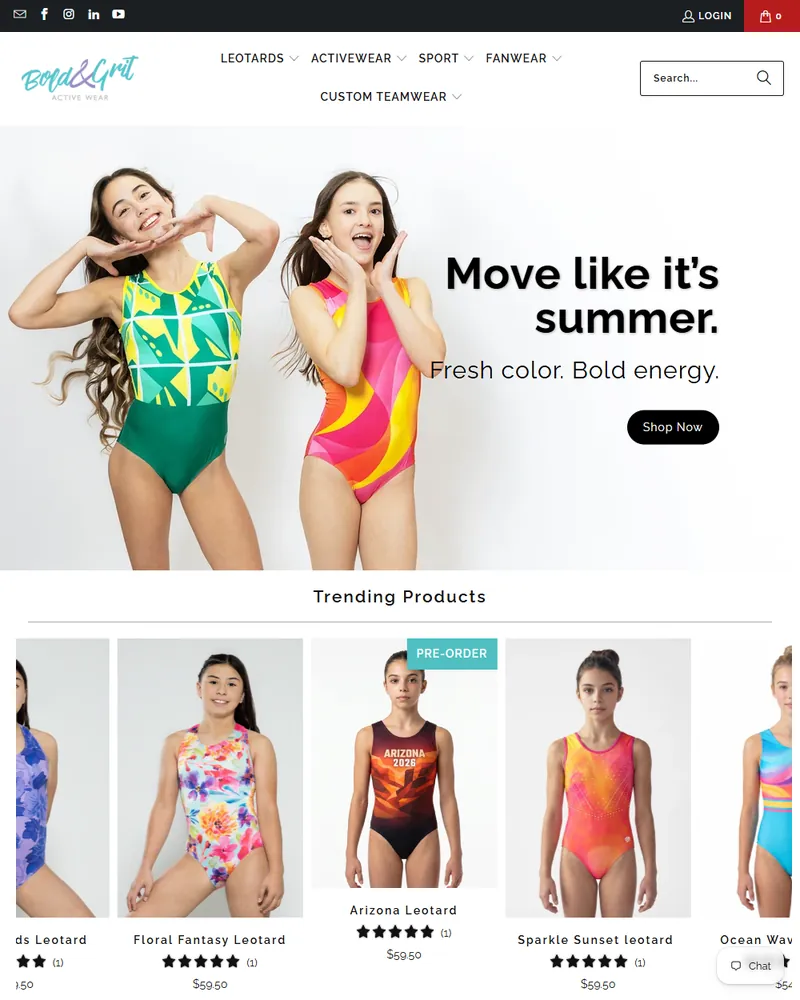
Bold&Grit online store homepage and product grid
Shopify Ecommerce Coral Gables, FL

Bold&Grit

A direct-to-consumer gymnastics and activewear brand selling leotards, activewear, swimwear and fanwear for girls and women, running on a custom theme built around vibrant product photography and conversion-focused layouts.

The catalog spans multiple sports and categories, with a wholesale channel alongside the retail store — a good example of a build where the storefront is the easy part and the structure underneath is what takes the work.

  • Multi-sport category navigation across four product lines
  • Custom Teamwear section with a dedicated team portal
  • QuickPrint tool for customer-uploaded designs
  • Wholesale section for bulk orders
  • Free shipping logic and ten payment providers
Visit boldandgrit.com

How It Works

How an ecommerce project runs

  1. 01

    Catalog & platform

    We map your products, variants and how you actually ship them, then pick the platform. You get a fixed scope, a price and a launch date before anything is built.

  2. 02

    Design & structure

    Collection hierarchy, product page template and checkout flow designed together, so navigation, filtering and upsells are decided before code rather than bolted on later.

  3. 03

    Build & integrate

    Store development, catalog import, payment gateways, shipping rules, taxes and any third-party tools you use — email, analytics, accounting or fulfilment.

  4. 04

    Test, launch, hand over

    Real test orders through every payment method, redirects live if you're migrating, and a walkthrough so your team can run the store without me.

Tech Stack

What I build with

  • Shopify
  • WooCommerce
  • Liquid
  • WordPress
  • PHP
  • JavaScript
  • Stripe / PayPal
  • Figma
  • Git

Questions

Ecommerce development FAQ

How much does an ecommerce website cost?

It depends on four things: how many products you sell, whether you need a customized theme or a fully bespoke design, which integrations your business runs on, and whether we're building from scratch or migrating an existing store. Those variables move the number enough that any figure published here would be misleading.

So the process is simple: tell me what you're selling and what you need the store to do, and you'll get a fixed quote for your project — not an hourly rate that grows as we go. The first consultation is free and carries no obligation. Get a free quote

How long does it take to build an online store?

Two to four weeks for a standard store, four to eight weeks for a custom build or a large catalog. The single biggest factor is your product data: a clean spreadsheet with descriptions, variants, prices and images ready to go can cut a week off the timeline.

Can you migrate my existing store?

Yes. I migrate from WooCommerce, Magento, BigCommerce, Squarespace and others, moving products, variants, collections, customers and order history, and mapping every old URL to its new one with 301 redirects so you don't lose the rankings you already have.

Do I need Shopify Plus?

Most stores don't. Plus is worth evaluating once you're around $500K a year in revenue, or when you specifically need custom checkout, multi-currency selling at scale, B2B portals or advanced automation. Below that the standard plan does the same job for a fraction of the monthly cost.

Which is better for SEO, Shopify or WooCommerce?

Both rank perfectly well when built properly. WooCommerce gives you more direct control over URLs, schema and technical details through WordPress; Shopify handles more for you but locks a few URL structures. The platform matters far less than product page quality, site speed and internal linking.

Do you offer ongoing management after launch?

Yes. Support retainers cover platform and plugin updates, new features and sections, catalog work, and monitoring of speed and uptime. A store isn't a project that ends at launch, and most clients keep some level of ongoing support.

Ready to build something great?

Tell me about your store and I'll get back to you within 24 hours.

Get a Free Quote contacto@jagpweb.com